Triumph Spitfire Models
Triumph built five versions of the Spitfire at Canley between 1962 and 1980: the Spitfire 4, the Spitfire 4 Mk II, the Mk III, the Mk IV and the Spitfire 1500. The 4 in the first car's name counts its cylinders, not a Mark; Mk I and Mk V are later names that no badge carried; and American 1500s of the 1973 and 1974 model years wore the Mk IV's body.
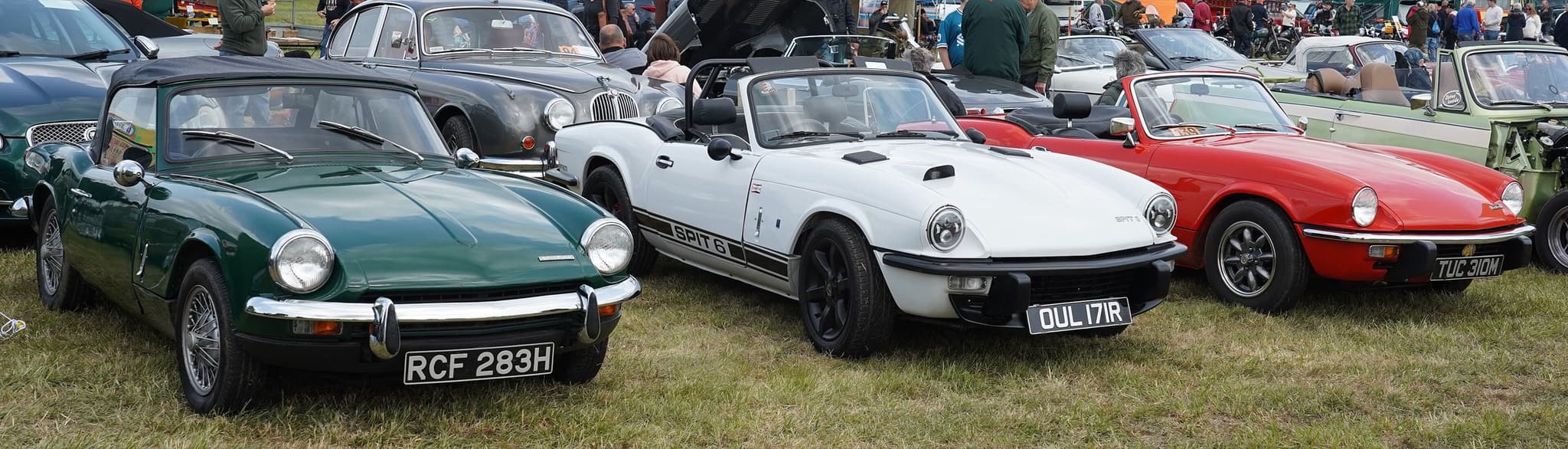
Canley Classics' production table lists the Spitfire as five versions, all built at Canley, in Coventry, between October 1962 and August 1980. Their names were never quite a series. The first two shared a number that was not a Mark, the next two dropped the number for a Mark alone, and the last had no Mark at all. Owners have since filled the gaps with names of their own.source 1source 2
Spitfire 4 and Spitfire 4 Mk II
The first version was the Spitfire 4, and Classic Car Africa explains the 4: it counted the cylinders. When the second version replaced it in December 1964, the number stayed and a Mark was added. It was the Spitfire 4 Mk II: Canley's table lists it as "Spitfire 4 MK II" and the Vintage Triumph Register as "Spitfire 4 Mk2", and it carried its Mark on the boot (trunk) lid. The Triumph Sports Six Club keeps the two cars on one page, "Spitfire 4/Mark II", and Standard-Triumph's Italian brochure of 1966 called the second one simply "Spitfire Mk. II".
"Mk I" came later. The first car was never badged or sold under that name, which stuck once there were later Marks to tell it from.
The GT6 of 1966, a six-cylinder fastback coupé on the Spitfire's chassis, is not one of the five: Canley's table gives it rows of its own.source 3source 1source 2source 4source 5source 6source 7
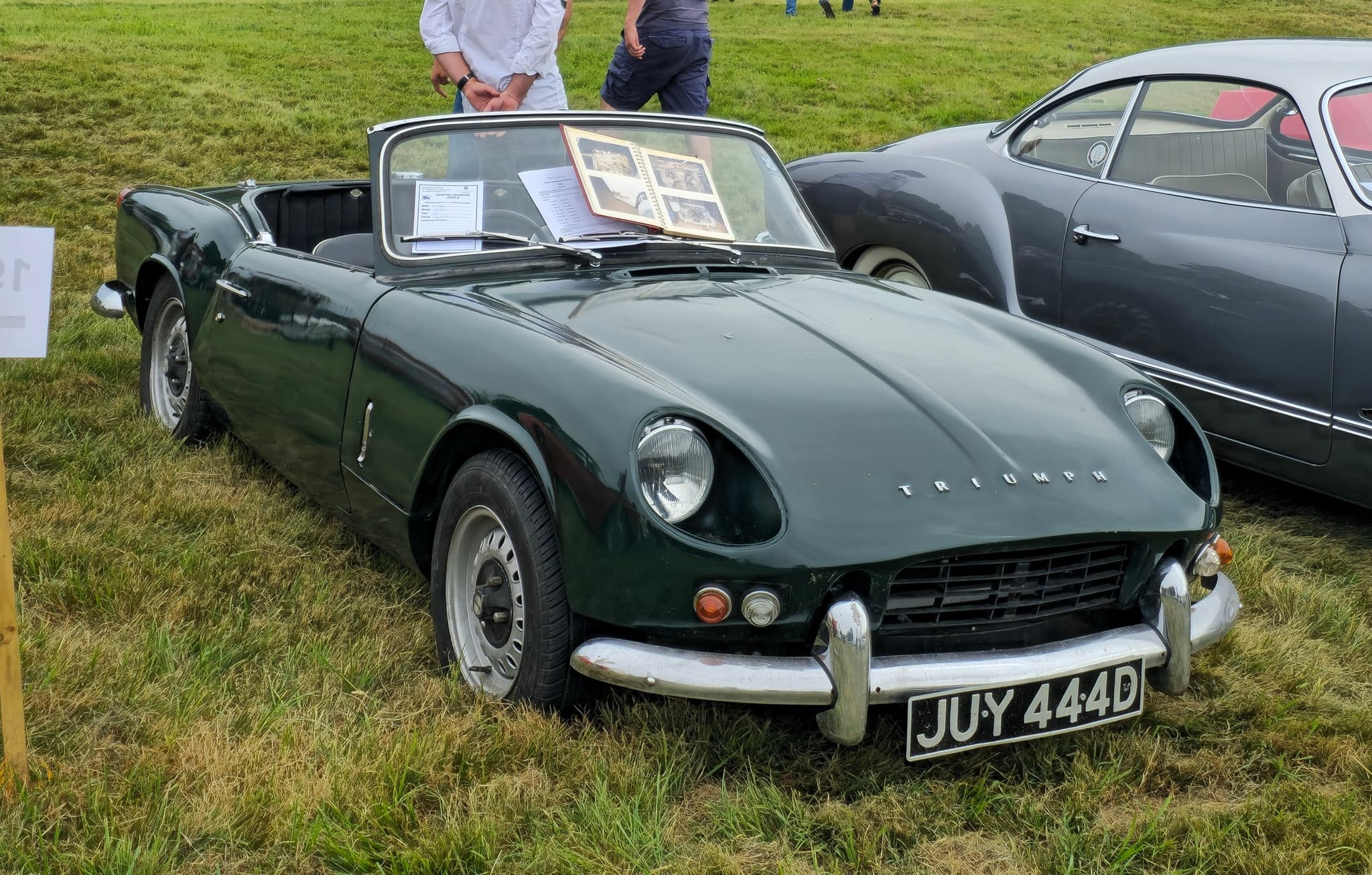
Mk III and Mk IV
The 4 was dropped with the Mk III, built from January 1967, and Canley's table and the Register list it and its successor without it. The Mk IV, announced in October 1970, was Giovanni Michelotti's restyle of the car he had first drawn. The maker's brochures for it wrote the Mark in figures: the Italian brochure of 1972 and the French one of 1973 are both titled Triumph Spitfire Mk4.source 1source 2source 4source 8source 9source 10source 11
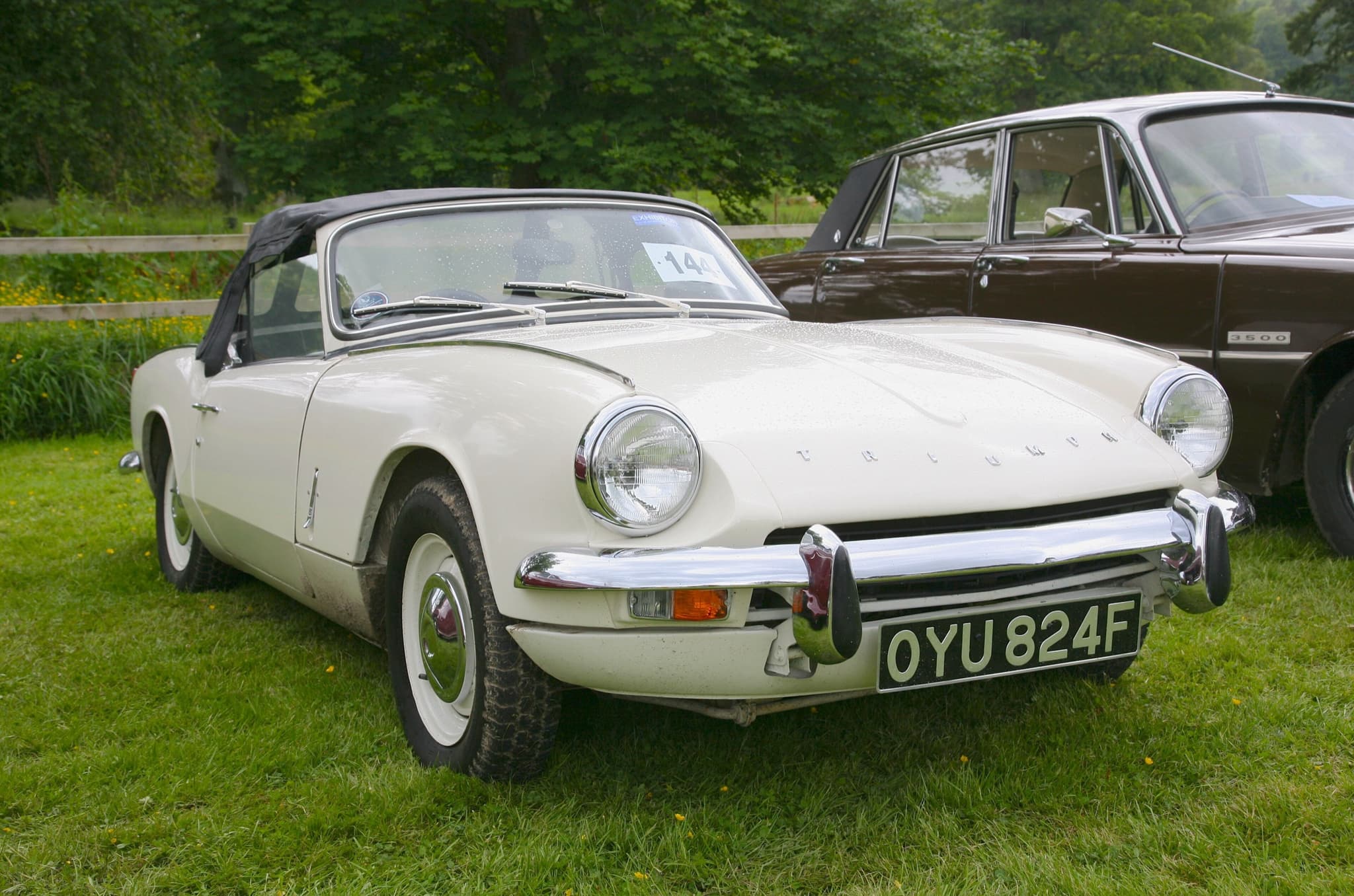
The American cars
Cars built for the United States changed on a timetable of their own, dated by American model year. From the 1969 model year, the federal Mk IIIs carried their instruments in front of the driver. The US Mk IVs of the 1971 and 1972 model years have commission numbers with an FK prefix, as triumphspitfire.com lists them.
For the 1973 and 1974 model years, cars for the United States had the engine of the coming Spitfire 1500 in the Mk IV body, with FM commission numbers, and were sold as the Spitfire 1500. The Vintage Triumph Register and British Leyland's own brochure for the 1974 model year call them 1500s; Classic & Sports Car files them under the Mk IV. The "1978½" cars, according to triumphspitfire.com's table, compiled from owners' Heritage look-ups, were 1500s built from June 1978 and sold as a half-year, not a separate model. North American Spitfires dates the changes.source 2source 12source 13source 14
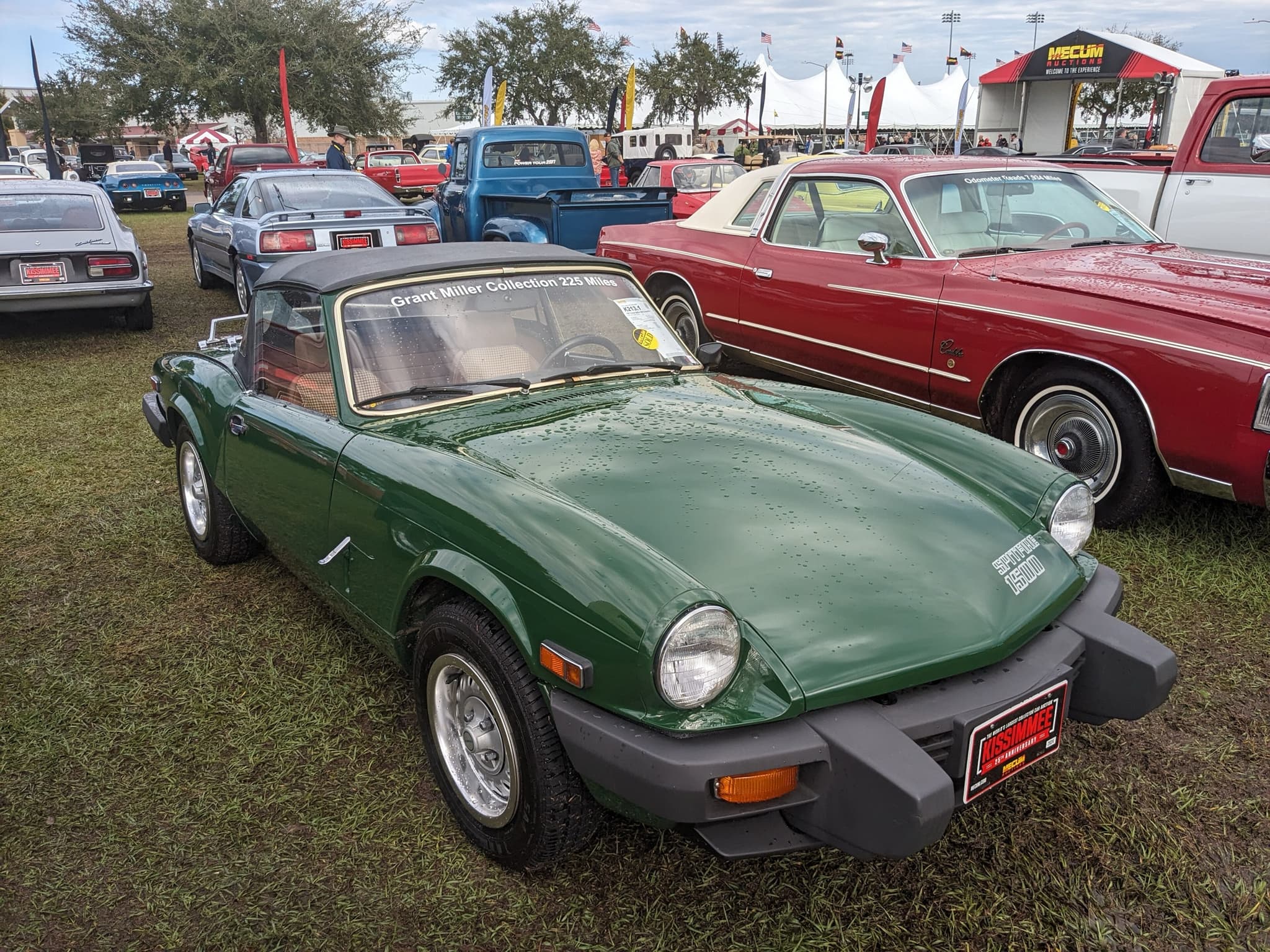
The Spitfire 1500
The rest of the world had the 1500's longer-stroke engine from late 1974 (December, in Canley's table), and with it the last version, the Spitfire 1500, with no Mark in its name. Reviewing it in March 1975, Motor Sport found it little changed outside from the Mk IV apart from bold "Spitfire 1500" transfers (decals) on its bonnet (hood) and boot.
Owners and sellers often call it the "Mk V", a name found in no factory or period source read; the 1500's own page sets out the evidence.
The line ended in August 1980. The last Spitfire, a yellow 1500, is in the British Motor Museum's collection at Gaydon.source 1source 15source 16source 2source 17
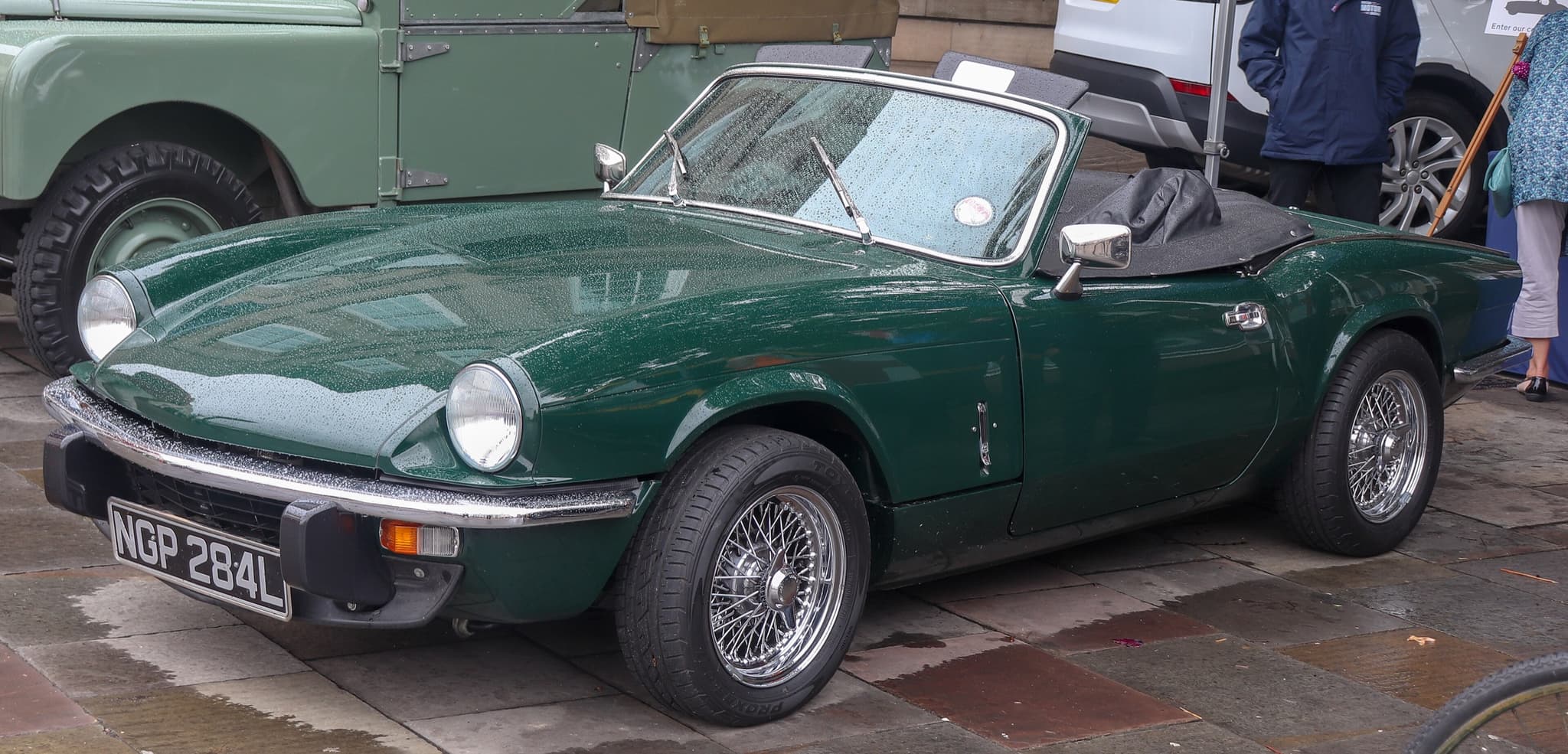
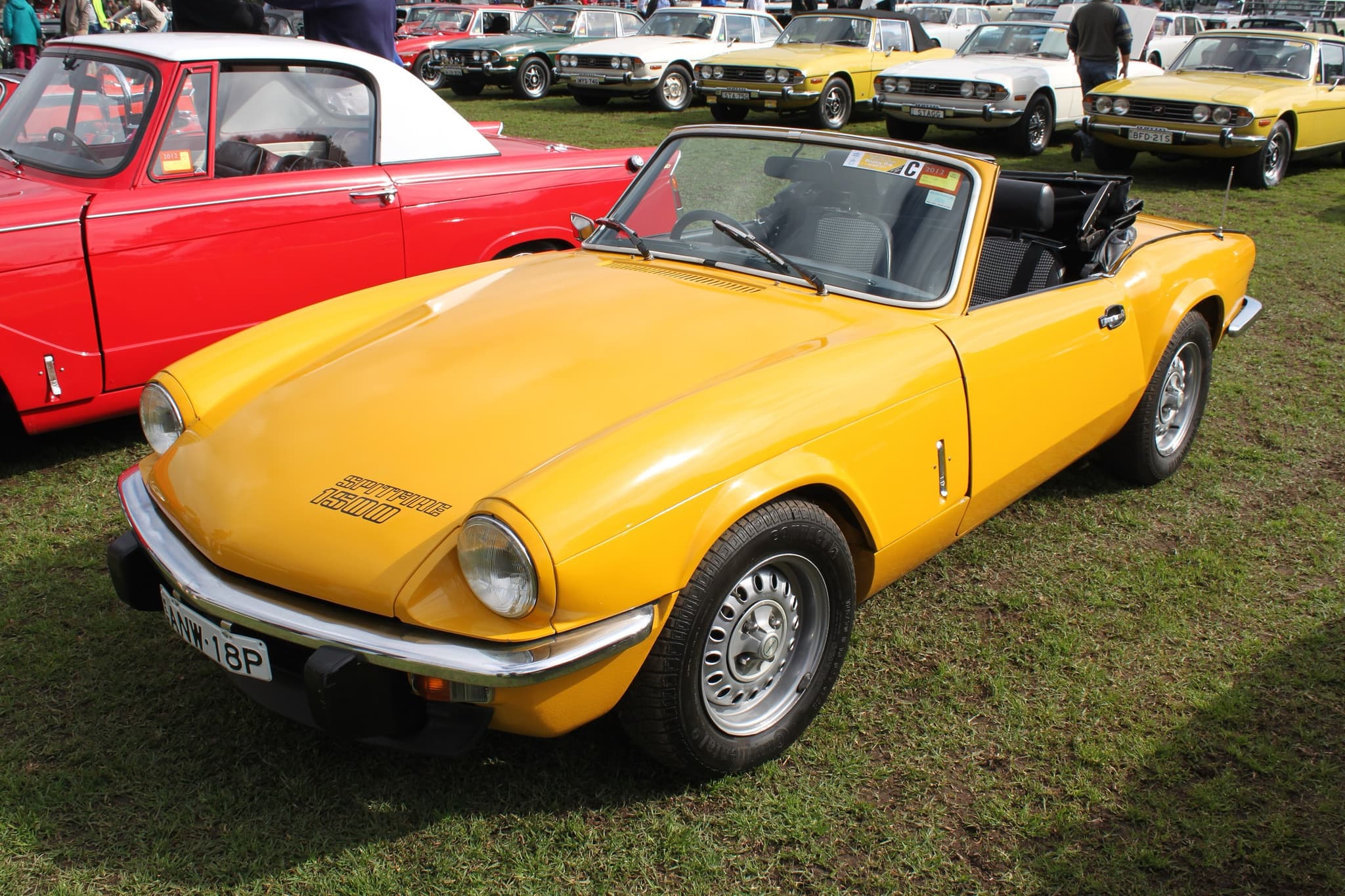
Versions
Sources for Versions
- Spitfire 4
- 1,147 cc: Bill Boddy ("W.B."), "Sports cars under £700: the £641 Triumph Spitfire 4", with data panel "The Triumph Spitfire 4", Motor Sport, Apr 1963source 18; Canley Classics, "Engine Number Identification Chart"source 19; Triumph Spitfire Club (Netherlands), "Spitfire modellen", "Aankoop informatie", "Clubinfo", homesource 20
- 45,753 built: Triumph Sports Six Club, Model pages: Spitfire 4/Mark II (model_ID=24), Mark III (23), Mark IV (25), 1500 (26)source 4; Classic & Sports Car, A–Z of classics: Triumph Spitfire I, II, III, MkIV, 1500source 13; Wikipedia (EN), "Triumph Spitfire", 2026source 21; triumphspitfire.com ("Spitfire & GT6 Magazine and Information Warehouse"), Reference pages (group): models and options; Mk I–1500 options-and-changes logs; engine numbers; 1979–80 VINs; what year is my car; final drive; general specification data; stock tyres; wheel alignment; lubrication; tuning; fuses; paint and trim codes; side stripes; decal and badge placements; wire wheels; head swaps; substitute parts; suppliers; new owner; pre-purchase checklist; spotters guide, pages modified 2023source 14
- 45,573 built: Canley Classics, "Production Figures"source 1; Triumph Spitfire Club (Netherlands), "Spitfire modellen", "Aankoop informatie", "Clubinfo", homesource 20; triumphspitfire.com ("Spitfire & GT6 Magazine and Information Warehouse"), Reference pages (group): models and options; Mk I–1500 options-and-changes logs; engine numbers; 1979–80 VINs; what year is my car; final drive; general specification data; stock tyres; wheel alignment; lubrication; tuning; fuses; paint and trim codes; side stripes; decal and badge placements; wire wheels; head swaps; substitute parts; suppliers; new owner; pre-purchase checklist; spotters guide, pages modified 2023source 14
- Mk II
- 1,147 cc: Canley Classics, "Engine Number Identification Chart"source 19; Triumph Spitfire Club (Netherlands), "Spitfire modellen", "Aankoop informatie", "Clubinfo", homesource 20; Classic & Sports Car, A–Z of classics: Triumph Spitfire I, II, III, MkIV, 1500source 13
- 37,409 built: Canley Classics, "Production Figures"source 1; Triumph Sports Six Club, Model pages: Spitfire 4/Mark II (model_ID=24), Mark III (23), Mark IV (25), 1500 (26)source 4; Classic & Sports Car, A–Z of classics: Triumph Spitfire I, II, III, MkIV, 1500source 13; Wikipedia (EN), "Triumph Spitfire", 2026source 21; Triumph Spitfire Club (Netherlands), "Spitfire modellen", "Aankoop informatie", "Clubinfo", homesource 20; triumphspitfire.com ("Spitfire & GT6 Magazine and Information Warehouse"), Reference pages (group): models and options; Mk I–1500 options-and-changes logs; engine numbers; 1979–80 VINs; what year is my car; final drive; general specification data; stock tyres; wheel alignment; lubrication; tuning; fuses; paint and trim codes; side stripes; decal and badge placements; wire wheels; head swaps; substitute parts; suppliers; new owner; pre-purchase checklist; spotters guide, pages modified 2023source 14
- Mk III
- 1,296 cc: Mike Cotton ("M.L.C."), "Triumph Spitfire to Monaco", Motor Sport, Jun 1967source 22; Canley Classics, "Engine Number Identification Chart"source 19; Triumph Spitfire Club (Netherlands), "Spitfire modellen", "Aankoop informatie", "Clubinfo", homesource 20
- 65,320 built: Canley Classics, "Production Figures"source 1; Triumph Sports Six Club, Model pages: Spitfire 4/Mark II (model_ID=24), Mark III (23), Mark IV (25), 1500 (26)source 4; Classic & Sports Car, A–Z of classics: Triumph Spitfire I, II, III, MkIV, 1500source 13; Wikipedia (EN), "Triumph Spitfire", 2026source 21; Triumph Spitfire Club (Netherlands), "Spitfire modellen", "Aankoop informatie", "Clubinfo", homesource 20; triumphspitfire.com ("Spitfire & GT6 Magazine and Information Warehouse"), Reference pages (group): models and options; Mk I–1500 options-and-changes logs; engine numbers; 1979–80 VINs; what year is my car; final drive; general specification data; stock tyres; wheel alignment; lubrication; tuning; fuses; paint and trim codes; side stripes; decal and badge placements; wire wheels; head swaps; substitute parts; suppliers; new owner; pre-purchase checklist; spotters guide, pages modified 2023source 14
- Mk IV
- 1,296 cc: Bill Boddy ("W.B."), "Road test: The Triumph Spitfire Mk. IV", Motor Sport, Jan 1971source 8; Canley Classics, "Engine Number Identification Chart"source 19; Triumph Spitfire Club (Netherlands), "Spitfire modellen", "Aankoop informatie", "Clubinfo", homesource 20
- 70,021 built: Canley Classics, "Production Figures"source 1; Triumph Sports Six Club, Model pages: Spitfire 4/Mark II (model_ID=24), Mark III (23), Mark IV (25), 1500 (26)source 4; Classic & Sports Car, A–Z of classics: Triumph Spitfire I, II, III, MkIV, 1500source 13; Wikipedia (EN), "Triumph Spitfire", 2026source 21; Triumph Spitfire Club (Netherlands), "Spitfire modellen", "Aankoop informatie", "Clubinfo", homesource 20; triumphspitfire.com ("Spitfire & GT6 Magazine and Information Warehouse"), Reference pages (group): models and options; Mk I–1500 options-and-changes logs; engine numbers; 1979–80 VINs; what year is my car; final drive; general specification data; stock tyres; wheel alignment; lubrication; tuning; fuses; paint and trim codes; side stripes; decal and badge placements; wire wheels; head swaps; substitute parts; suppliers; new owner; pre-purchase checklist; spotters guide, pages modified 2023source 14
- 1500
- 1,493 cc: BL Cars / Jaguar Rover Triumph Ltd, Triumph Spitfire 1500 (sales brochure), UK, 12/1978, Publication No. 3254/Dsource 16; Clive Richardson ("C.R."), "Road Impressions – The Triumph Spitfire 1500", Motor Sport, Mar 1975source 15; Canley Classics, "Engine Number Identification Chart"source 19; Triumph Spitfire Club (Netherlands), "Spitfire modellen", "Aankoop informatie", "Clubinfo", homesource 20; British Motor Museum, "Spitfire 1500 (last of line), 1980", accession 1980-1-190source 17
- 95,829 built: Canley Classics, "Production Figures"source 1; Classic & Sports Car, A–Z of classics: Triumph Spitfire I, II, III, MkIV, 1500source 13; Malcolm McKay, "Triumph Spitfire buyer's guide: what to pay and what to look for", Classic & Sports Car, 10 May 2019source 23; Wikipedia (EN), "Triumph Spitfire", 2026source 21; Triumph Spitfire Club (Netherlands), "Spitfire modellen", "Aankoop informatie", "Clubinfo", homesource 20; triumphspitfire.com ("Spitfire & GT6 Magazine and Information Warehouse"), Reference pages (group): models and options; Mk I–1500 options-and-changes logs; engine numbers; 1979–80 VINs; what year is my car; final drive; general specification data; stock tyres; wheel alignment; lubrication; tuning; fuses; paint and trim codes; side stripes; decal and badge placements; wire wheels; head swaps; substitute parts; suppliers; new owner; pre-purchase checklist; spotters guide, pages modified 2023source 14
- 91,137 built: Triumph Sports Six Club, Model pages: Spitfire 4/Mark II (model_ID=24), Mark III (23), Mark IV (25), 1500 (26)source 4
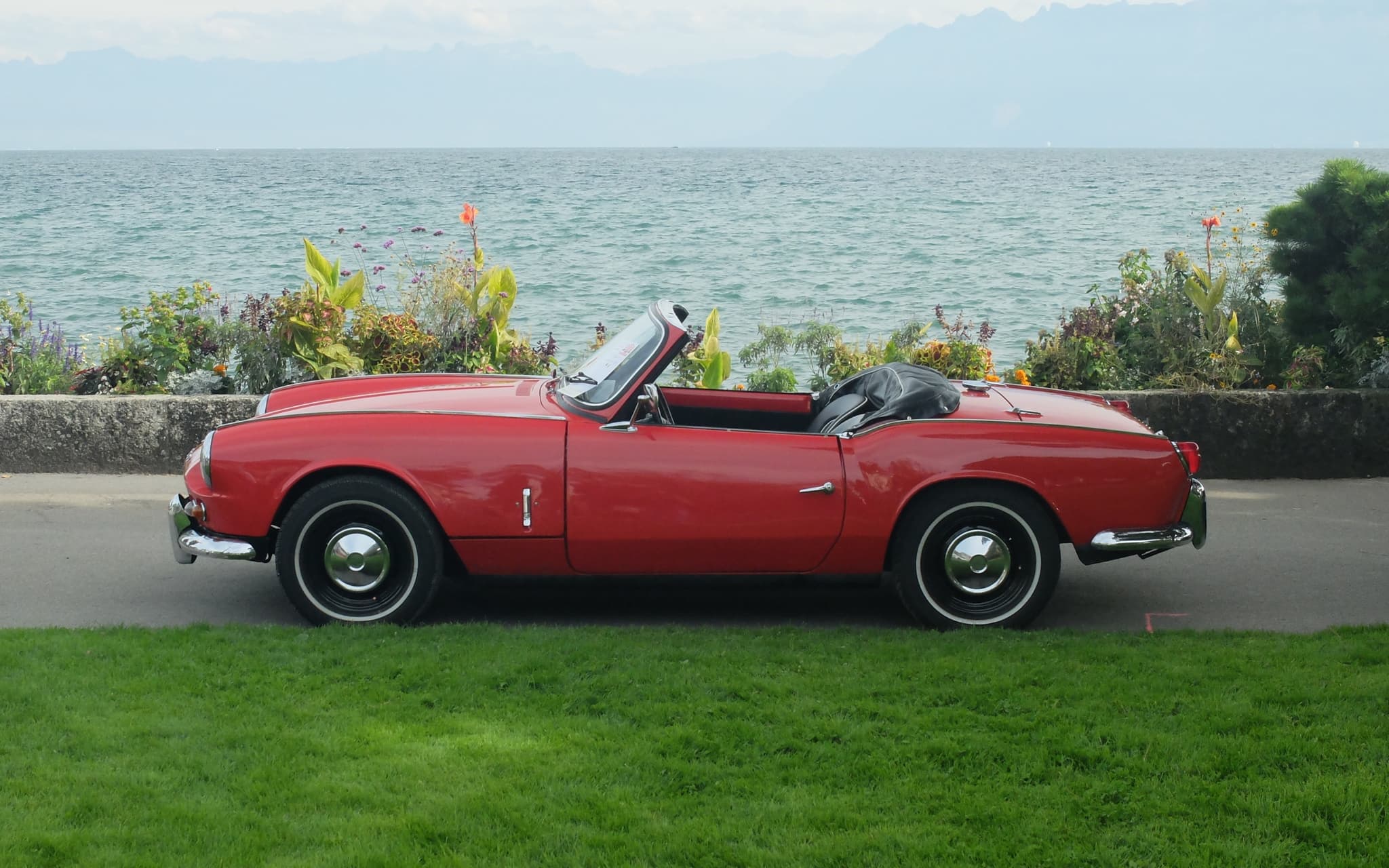
Spitfire 4
1962–1964 · 1,147 cc
45,753 built or 45,573
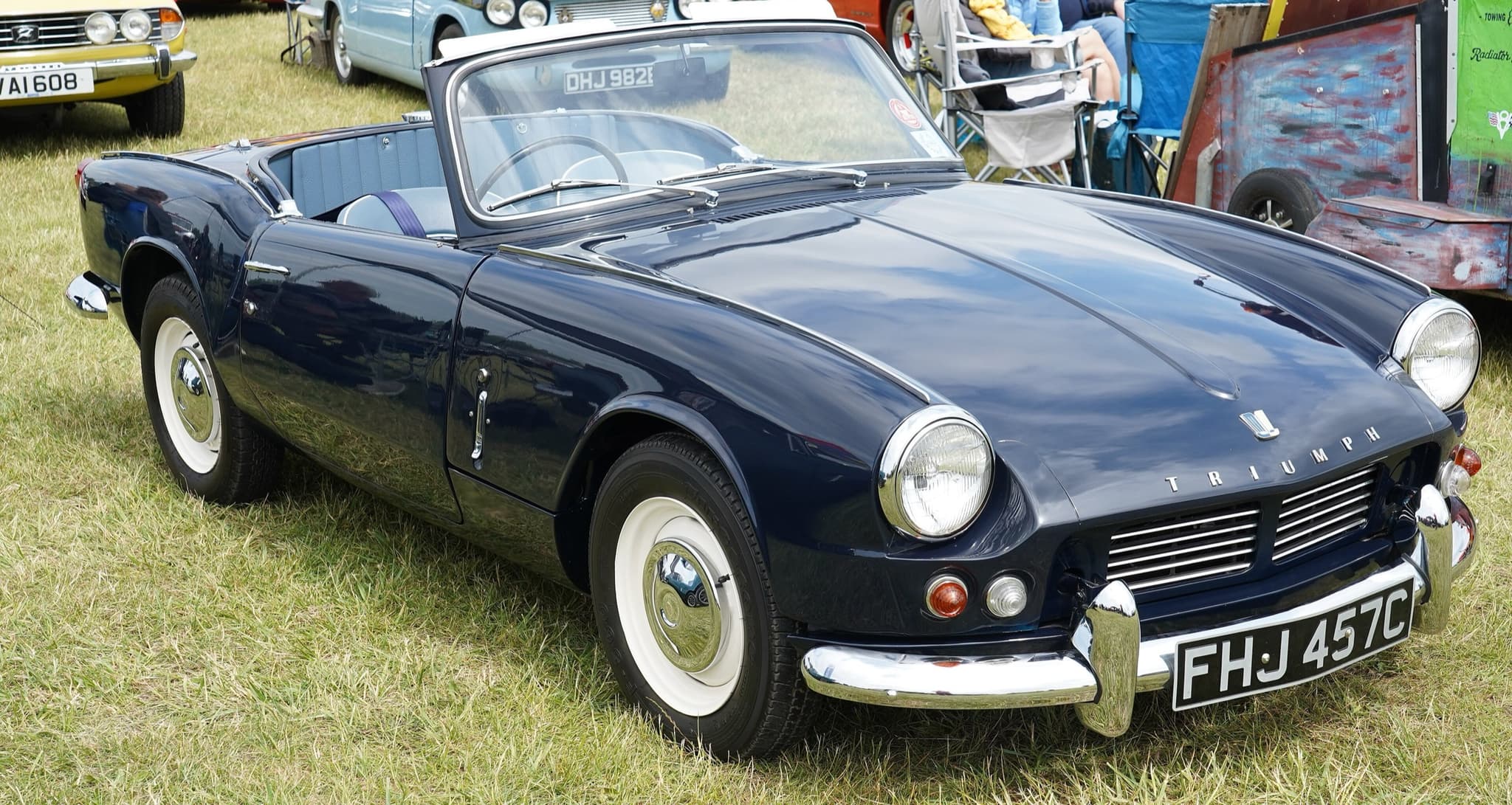
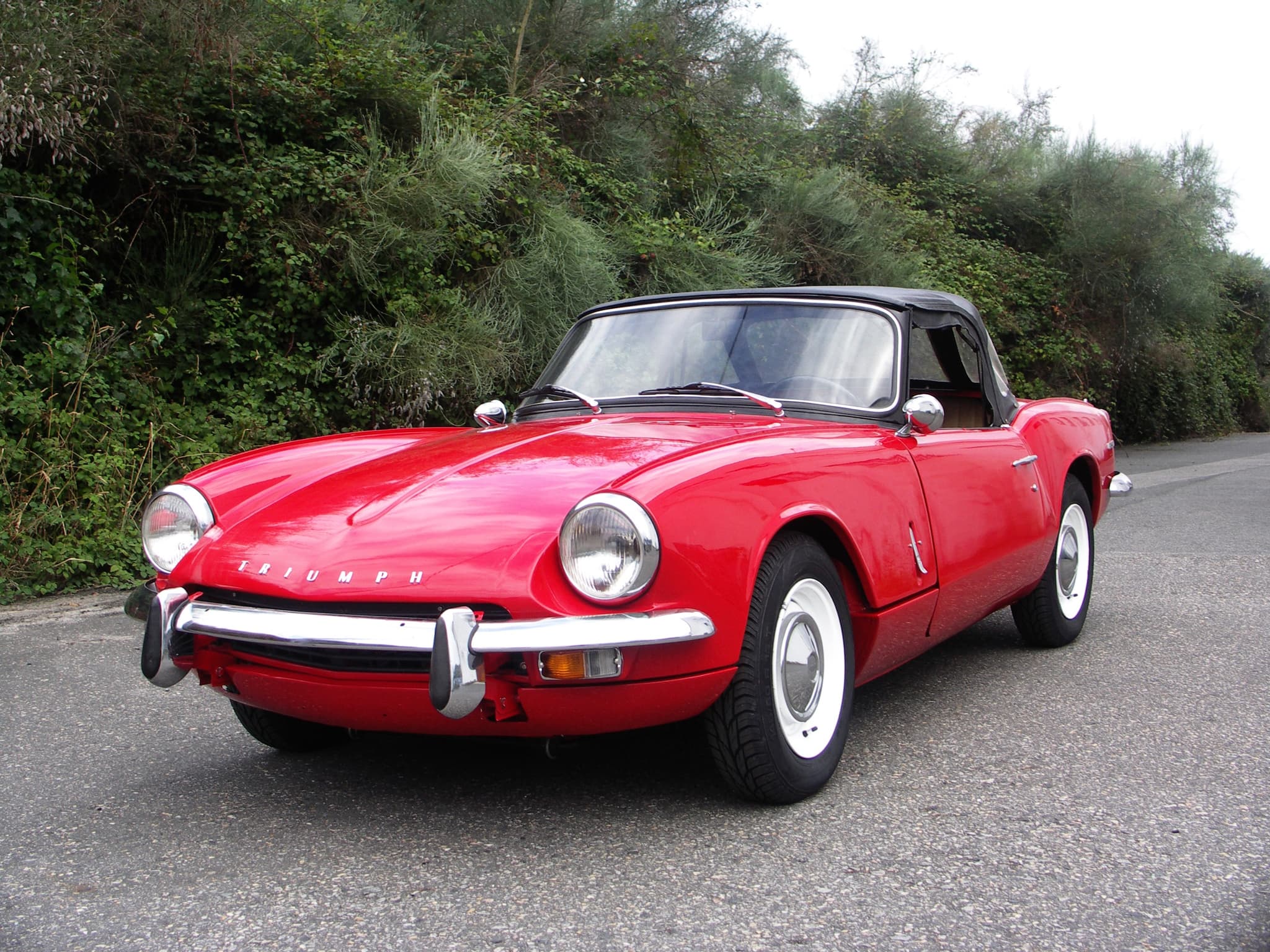
Mk II
1964–1967 · 1,147 cc
37,409 built
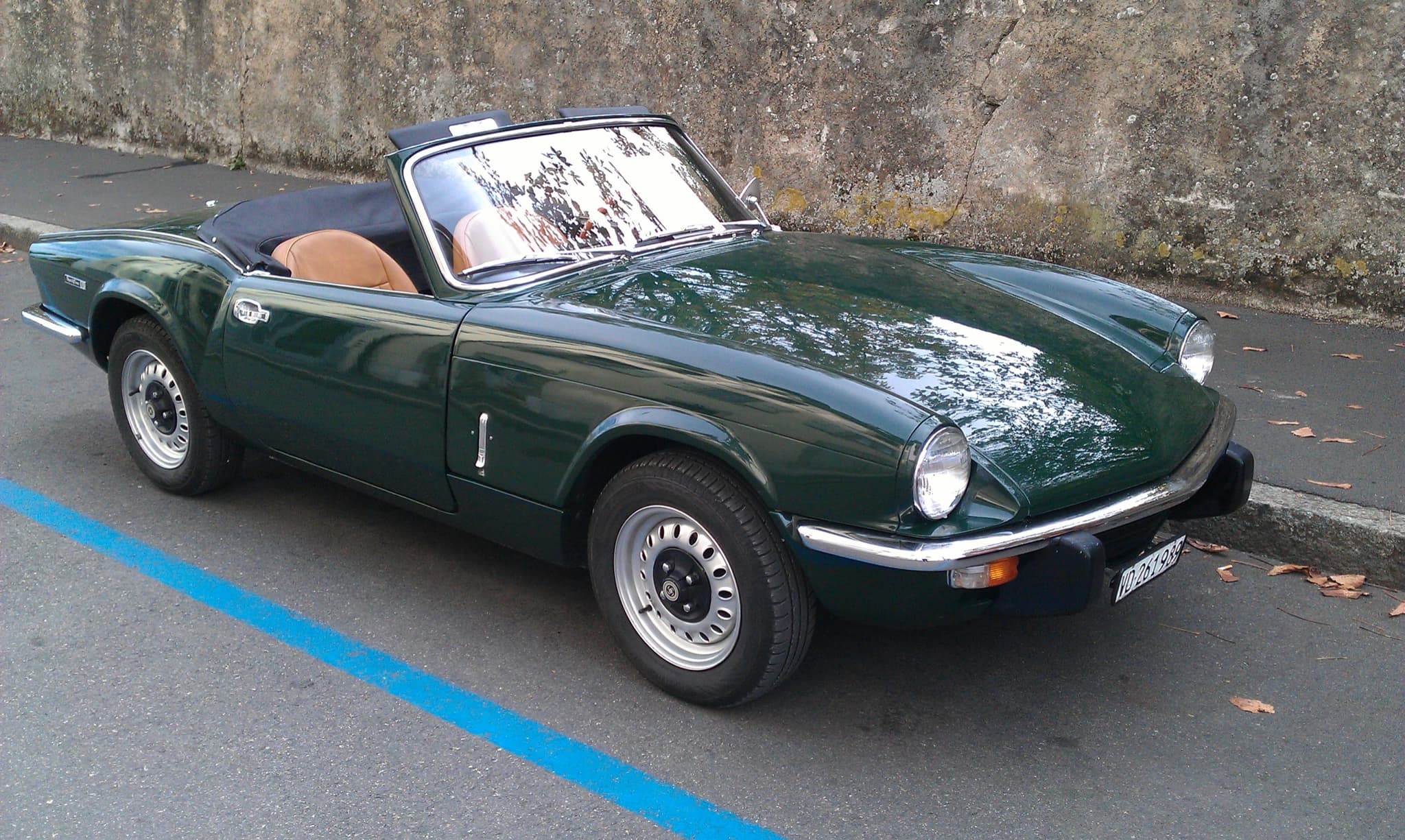
Mk III
1967–1970 · 1,296 cc
65,320 built
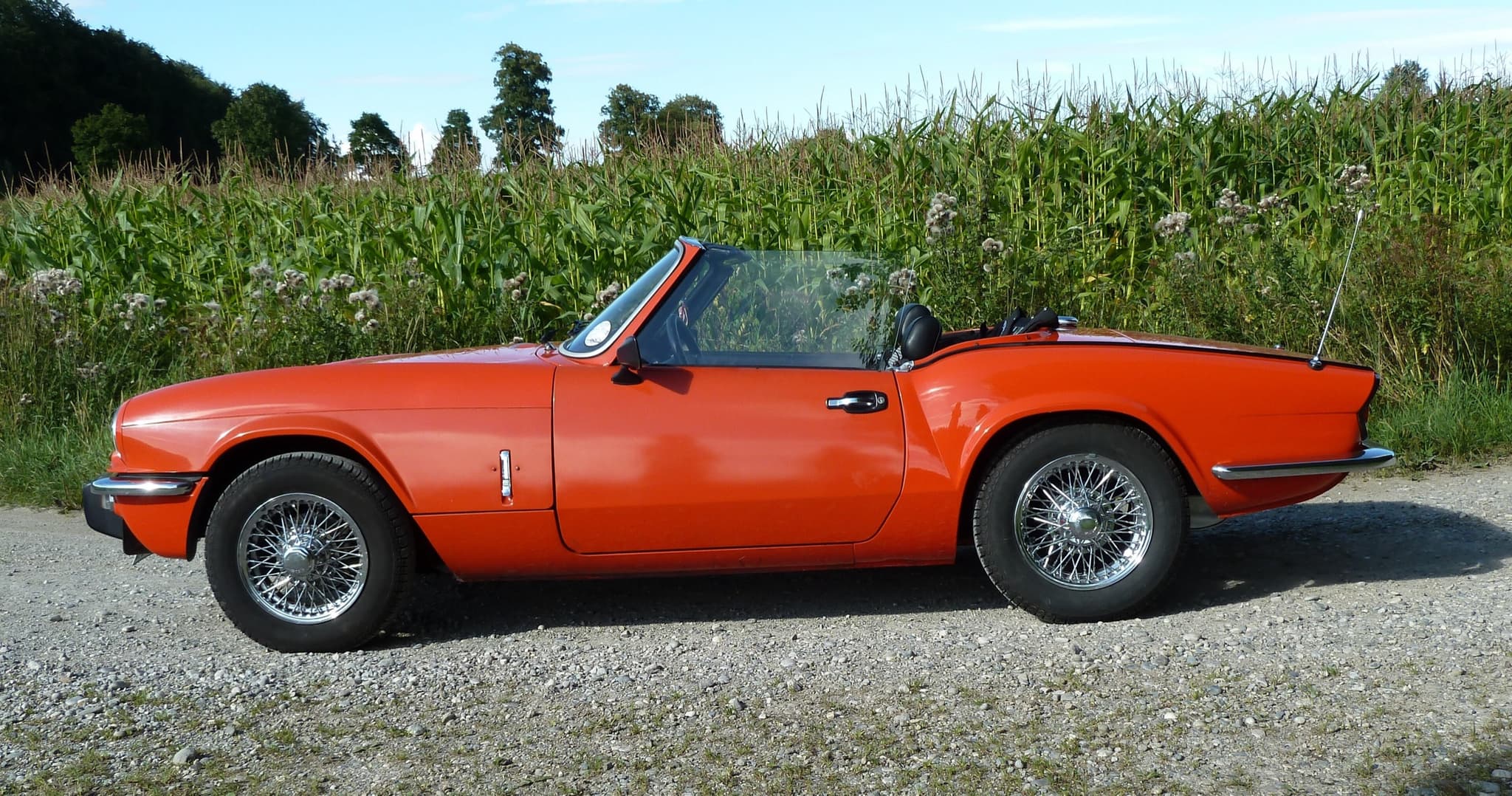
Mk IV
1970–1974 · 1,296 cc
70,021 built
1500
1973–1980 · 1,493 cc
95,829 built or 91,137
- the tick marks the second figure in print
Pictures, top to bottom: Akela NDE, CC BY-SA 2.0 fr; kitmasterbloke, CC BY 4.0; Avaldia, CC BY-SA 3.0; Akela NDE, CC BY-SA 2.0 fr; WORhausen, CC BY-SA 3.0.
Sources
Sources are given as plain text; their addresses are on the sources page.
- Primarymade at the time, by the maker or by people who were there
- Referenceserious later work: clubs, specialists, magazines, books
- Uncheckedencyclopaedias and enthusiast sites: cited beside a good source, named in the sentence, or marked Unchecked
- Canley Classics, "Production Figures", Spitfire table, Spitfire 4 to Spitfire 1500 rows; rows "Spitfire 4" and "Spitfire 4 MK II"; GT6 rows; rows for the Mk III and Mk IV; row "Spitfire 1500", December 1974–August 1980; Production Figures table, row "Spitfire 4"; Production Figures table, row "Spitfire 4 MK II"; Production Figures table, row "Spitfire MK III"; Production Figures table, row "Spitfire MK IV"; Production Figures table, row "Spitfire 1500". Reference
- Vintage Triumph Register, "Spitfire" (production history, production dates and numbers, buyer's guide tabs), production history; production dates and numbers, "Spitfire 4 Mk2"; production dates and numbers; production dates and numbers: 1969, 1971–1972, 1973–1974 "FM1-up"; production history, end. Reference
- Classic Car Africa, "The Wallflower", Mk I and Mk II sections. Reference
- Triumph Sports Six Club, Model pages: Spitfire 4/Mark II (model_ID=24), Mark III (23), Mark IV (25), 1500 (26), Spitfire 4/Mark II page; Mark IV page; model_ID=24, "Quantity: 45,753/37,409"; model_ID=23, "Quantity"; model_ID=25, "Quantity"; model_ID=26, "Quantity". Reference
- Standard-Triumph, Spitfire Mk. II (sales brochure), Italy, Ref. 352/666/IT-DUC, 1966, title. Primary
- Grace's Guide, "Triumph: Spitfire", picture caption. Unchecked
- Graham Robson, "One Design, Many Derivatives", Moss Motoring, 26 Oct 2022, GT6. Reference
- Bill Boddy ("W.B."), "Road test: The Triumph Spitfire Mk. IV", Motor Sport, Jan 1971, p. 59; Jan 1971 p. 59, engine paragraph. Primary
- Graham Robson, "Harry Webster – My Technical Mentor", Moss Motoring (Moss Motors), 12 Jun 2019, Michelotti and the prototype. Reference
- British Leyland, Triumph Spitfire Mk4 (sales brochure), Italy, 1972, title. Primary
- British Leyland (France), Triumph Spitfire Mk4 (sales brochure), France, 11/1973, T.919, title. Primary
- British Leyland Motors Inc., Spitfire 1500 (sales brochure), USA, 1974 model year, SP741, 1973, title and specification. Primary
- Classic & Sports Car, A–Z of classics: Triumph Spitfire I, II, III, MkIV, 1500, MkIV; A–Z entry "Spitfire 4"; A–Z entry. Reference
- triumphspitfire.com ("Spitfire & GT6 Magazine and Information Warehouse"), Reference pages (group): models and options; Mk I–1500 options-and-changes logs; engine numbers; 1979–80 VINs; what year is my car; final drive; general specification data; stock tyres; wheel alignment; lubrication; tuning; fuses; paint and trim codes; side stripes; decal and badge placements; wire wheels; head swaps; substitute parts; suppliers; new owner; pre-purchase checklist; spotters guide, pages modified 2023, models and options; 1500 model-year table; Mk I page; models page; models page, "95829 cars made". Unchecked
- Clive Richardson ("C.R."), "Road Impressions – The Triumph Spitfire 1500", Motor Sport, Mar 1975, p. 25; Mar 1975 p. 25, text. Primary
- BL Cars / Jaguar Rover Triumph Ltd, Triumph Spitfire 1500 (sales brochure), UK, 12/1978, Publication No. 3254/D, title; models and options; Dec 1978 brochure, Specifications. Primary
- British Motor Museum, "Spitfire 1500 (last of line), 1980", accession 1980-1-190, object record; accession 1980-1-190, object record. Primary
- Bill Boddy ("W.B."), "Sports cars under £700: the £641 Triumph Spitfire 4", with data panel "The Triumph Spitfire 4", Motor Sport, Apr 1963, Apr 1963 test text. Primary
- Canley Classics, "Engine Number Identification Chart", engine chart, prefix FC; engine chart, prefix FD; engine chart, prefix FH; engine chart, prefix FM. Reference
- Triumph Spitfire Club (Netherlands), "Spitfire modellen", "Aankoop informatie", "Clubinfo", home, engine-number table, prefix FC; "Spitfire modellen" page, production figures; engine-number table, prefix FD; engine-number table, prefix FH; engine-number table, prefix FM. Reference
- Wikipedia (EN), "Triumph Spitfire", 2026, production figures, citing Robson 1982 p. 187. Unchecked
- Mike Cotton ("M.L.C."), "Triumph Spitfire to Monaco", Motor Sport, Jun 1967, Jun 1967 p. 26, text. Primary
- Malcolm McKay, "Triumph Spitfire buyer's guide: what to pay and what to look for", Classic & Sports Car, 10 May 2019, production figures. Reference