The Last Triumph Spitfire
The yellow 1500 that ended nearly 18 years of Spitfire production at Canley in August 1980, kept today at Gaydon with a production count of its own.
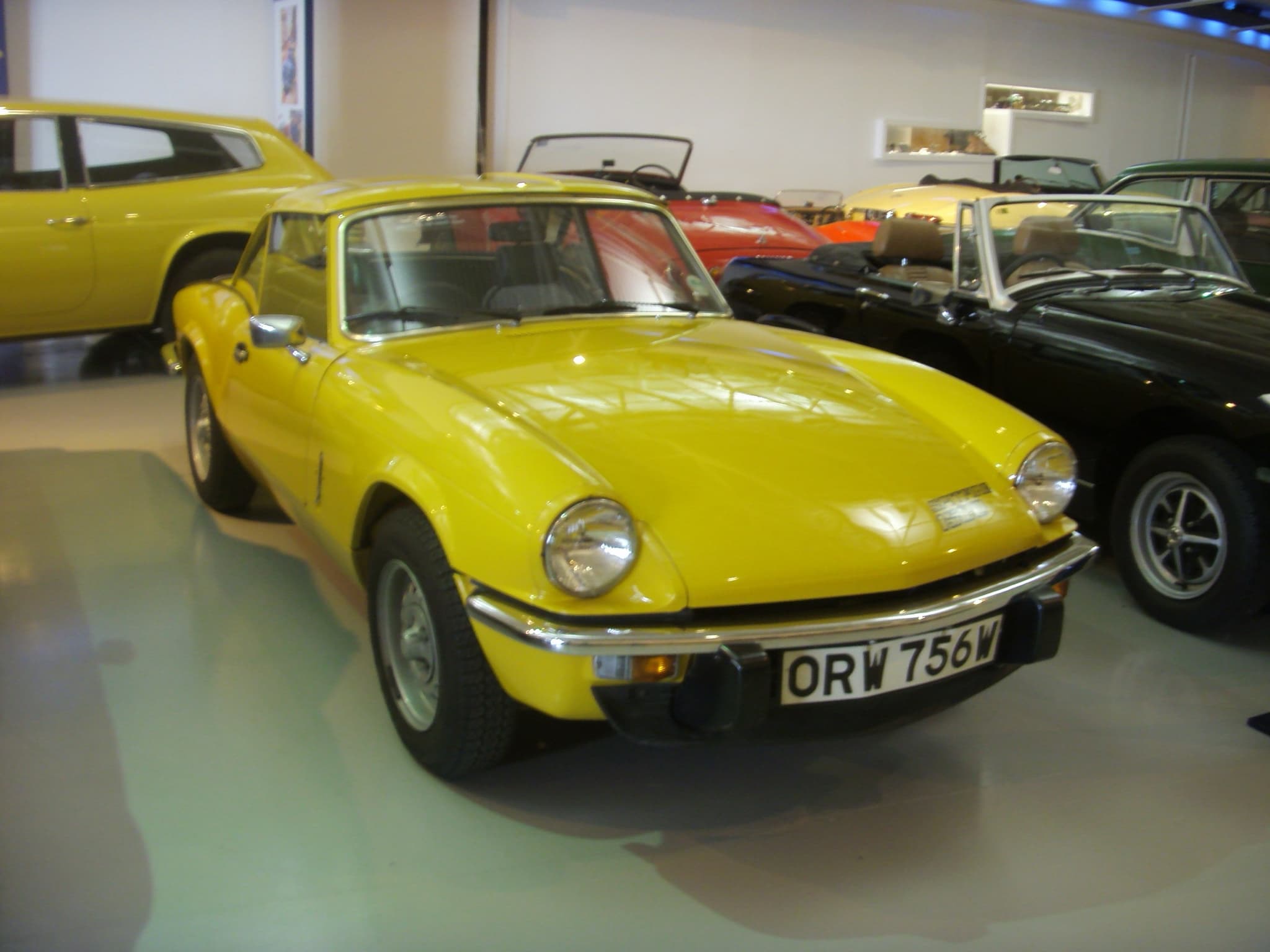
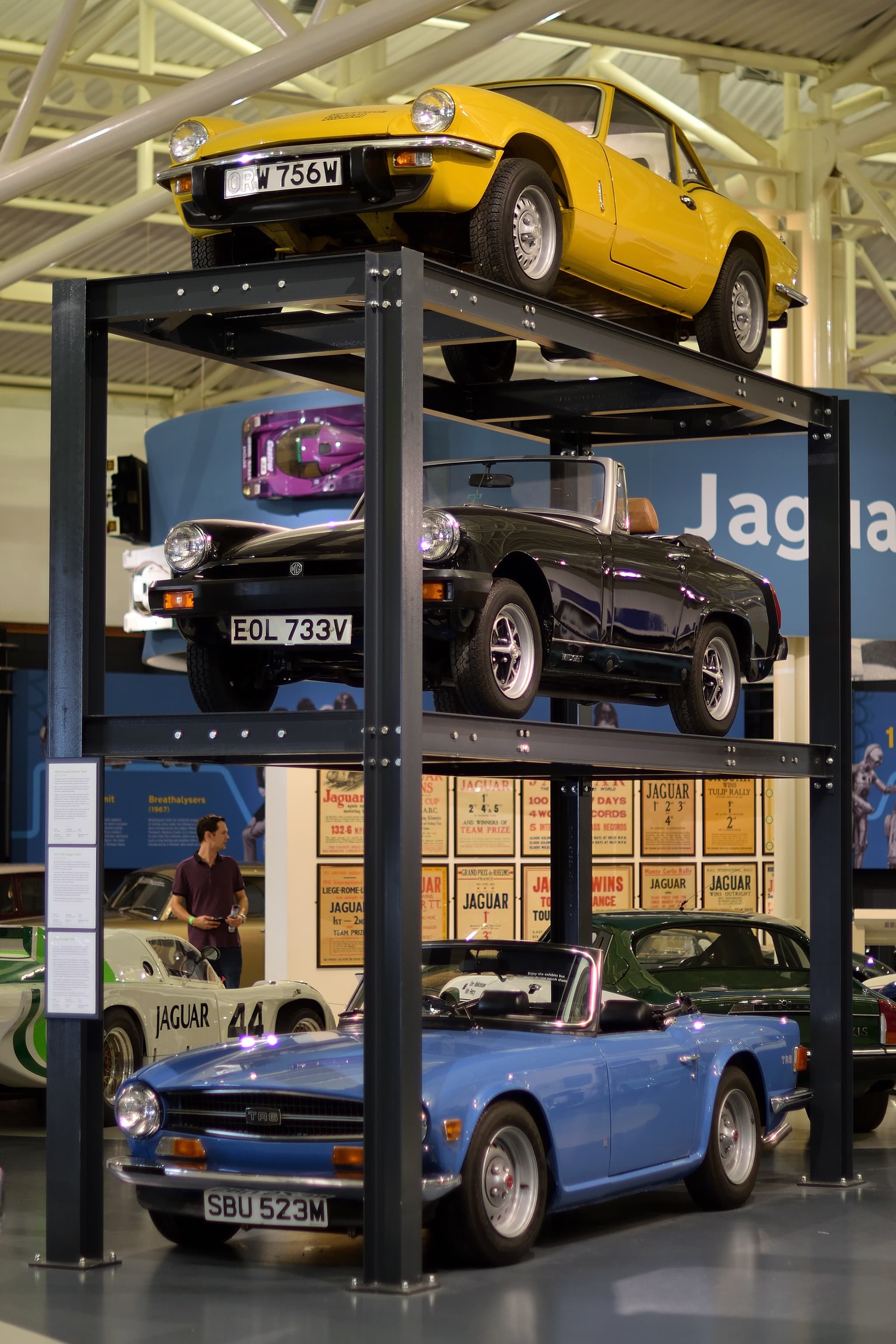
In August 1980 the last Spitfire was built at Canley. It was a yellow Spitfire 1500 with a hardtop, and Triumph car production at Canley ended the same year. The car is now in the British Motor Industry Heritage Trust's collection, on show at the British Motor Museum in Gaydon.source 1source 2source 3source 4
The end at Canley
Spitfire production ended in August 1980, by Canley Classics' table and the Vintage Triumph Register's history, and British Leyland ended car production at Canley that year; TR7 production moved to Solihull. Motor reported on 6 September 1980, as quoted by Driven To Write in 2020, that Triumph production at the factory had ended, and that the Spitfire and the Dolomite would be phased out of the range.
The British Motor Museum's blog on the Canley works shows the last Spitfire body on the line in 1980, with the workforce around it, beside a photograph of the last TR6 built there, in 1976. Why the line ended at all is told on the history page.source 3source 5source 1source 2
The car
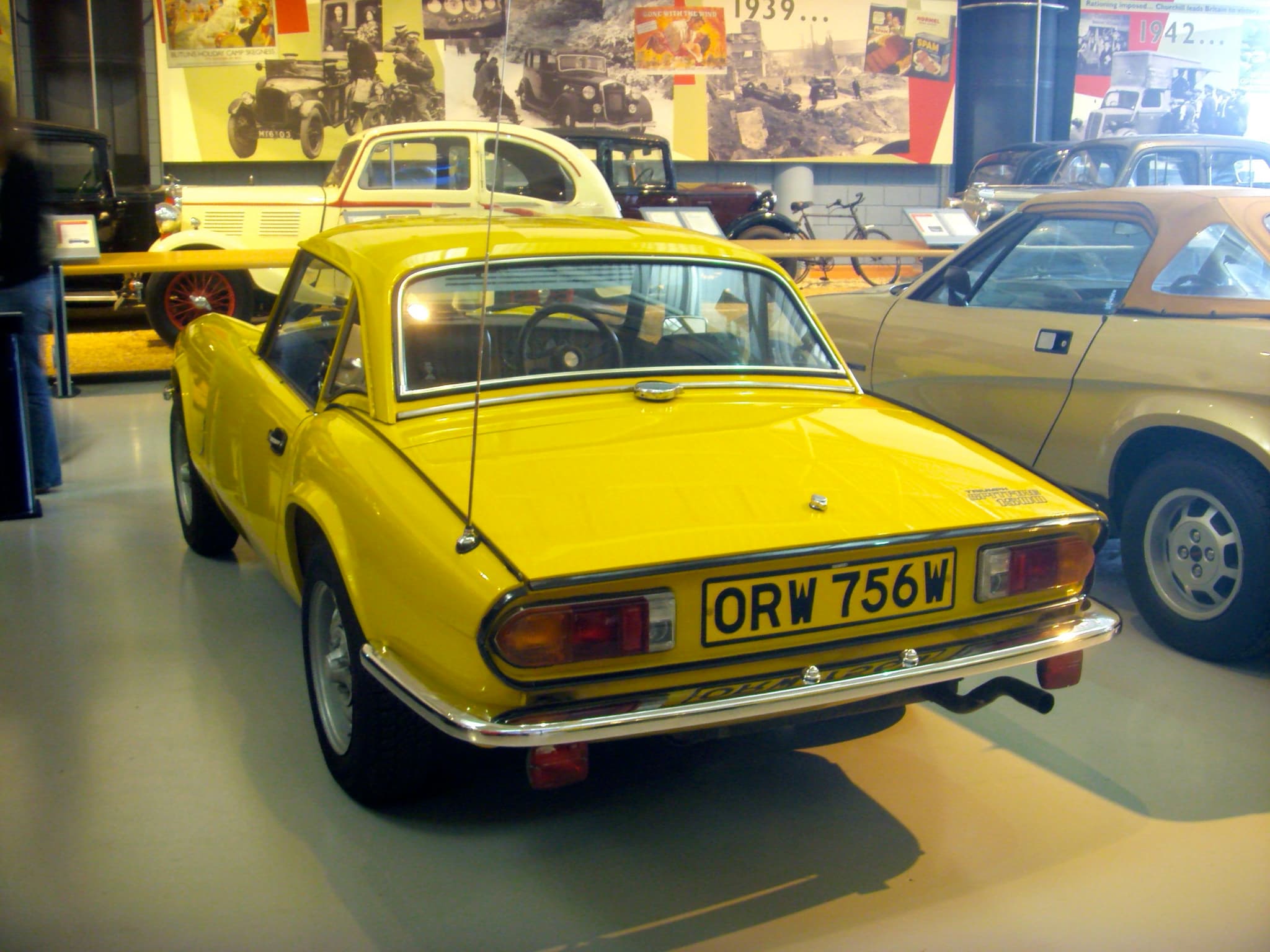
The museum's record names the car "Spitfire 1500 (last of line), 1980", and its photograph shows a yellow car with a hardtop, registered ORW 756W. triumphspitfire.com records its colour as Inca Yellow and its VIN as TFADW5AT009898. By the reading of late VINs that Practical Classics printed in 2000, the 5 in that number marks a right-hand-drive car with overdrive, and Wikipedia also says the car has overdrive; the museum's record gives neither the VIN nor the options.
The record also gives the car's engine, performance, dimensions and price new. The price is in the car's history further down this page, and the 1500's specification, with its sources, is on the Spitfire 1500 page.source 4source 6source 7source 8source 9
The count
The museum's record ends with a count:
Canley built 314,342 Spitfires and this car is the last one from 1980.
That total is the museum's own. No published set of figures for the versions adds up to it, other sources print other totals, and none of them says how its figure was counted. Each version's production figures, with their sources, are on that version's page.
The car that closed the line has outlived car-making at Canley by more than 40 years, and it is still kept complete at Gaydon.source 4source 1source 2source 10source 11
Where it has been
- 1980
Built at Canley, the last Spitfire
August 1980. A Spitfire 1500 with a hardtop. The British Motor Museum gives 314,342 Spitfires built at Canley and its price new as £4,697. triumphspitfire.com records its VIN as TFADW5AT009898 and its colour as Inca Yellow
British Motor Museum, "Spitfire 1500 (last of line), 1980", accession 1980-1-190source 4; Canley Classics, "Production Figures"source 1; Vintage Triumph Register, "Spitfire" (production history, production dates and numbers, buyer's guide tabs)source 2; triumphspitfire.com, "Did You Know?", modified 3 Aug 2023source 6
- 1980
Entered the BMIHT collection as accession 1980-1-190
On display at the British Motor Museum, Gaydon
British Motor Museum, "Spitfire 1500 (last of line), 1980", accession 1980-1-190source 4
Sources
Sources are given as plain text; their addresses are on the sources page.
- Primarymade at the time, by the maker or by people who were there
- Referenceserious later work: clubs, specialists, magazines, books
- Uncheckedencyclopaedias and enthusiast sites: cited beside a good source, named in the sentence, or marked Unchecked
- Canley Classics, "Production Figures", Spitfire 1500 row; Spitfire table. Reference
- Vintage Triumph Register, "Spitfire" (production history, production dates and numbers, buyer's guide tabs), production history. Reference
- British Motor Museum, "Factor us in: Standard Triumph factory at Canley". Reference
- British Motor Museum, "Spitfire 1500 (last of line), 1980", accession 1980-1-190, record and photograph; description; record. Primary
- Richard Herriott, "Still Stands Stanley's Hat Stand In The Spruce Stand?", Driven To Write, 31 May 2020, quoting Motor, 6 September 1980. Reference
- triumphspitfire.com, "Did You Know?", modified 3 Aug 2023. Unchecked
- triumphspitfire.com ("Spitfire & GT6 Magazine and Information Warehouse"), Reference pages (group): models and options; Mk I–1500 options-and-changes logs; engine numbers; 1979–80 VINs; what year is my car; final drive; general specification data; stock tyres; wheel alignment; lubrication; tuning; fuses; paint and trim codes; side stripes; decal and badge placements; wire wheels; head swaps; substitute parts; suppliers; new owner; pre-purchase checklist; spotters guide, pages modified 2023, Spitfire 1500 Options and Changes. Unchecked
- Practical Classics, "Buyers Guide: Triumph Spitfire", May 2000, p. 84. Reference
- Wikipedia (EN), "Triumph Spitfire", 2026, 1500 section. Unchecked
- Sam Skelton, "Buying Guide: Triumph Spitfire (1962–1980)", Hagerty UK, 3 Feb 2021. Reference
- Triumph Sports Six Club, Model pages: Spitfire 4/Mark II (model_ID=24), Mark III (23), Mark IV (25), 1500 (26). Reference