Triumph Spitfire ADU 2B
The only works Spitfire to finish Le Mans in 1964, 21st overall, then a Sebring and Nürburgring racer. The car that has carried its registration since the 1980s is not the works car, which survives only in parts.
About the pictureA replica of ADU 2B with no works parts, not the works car.
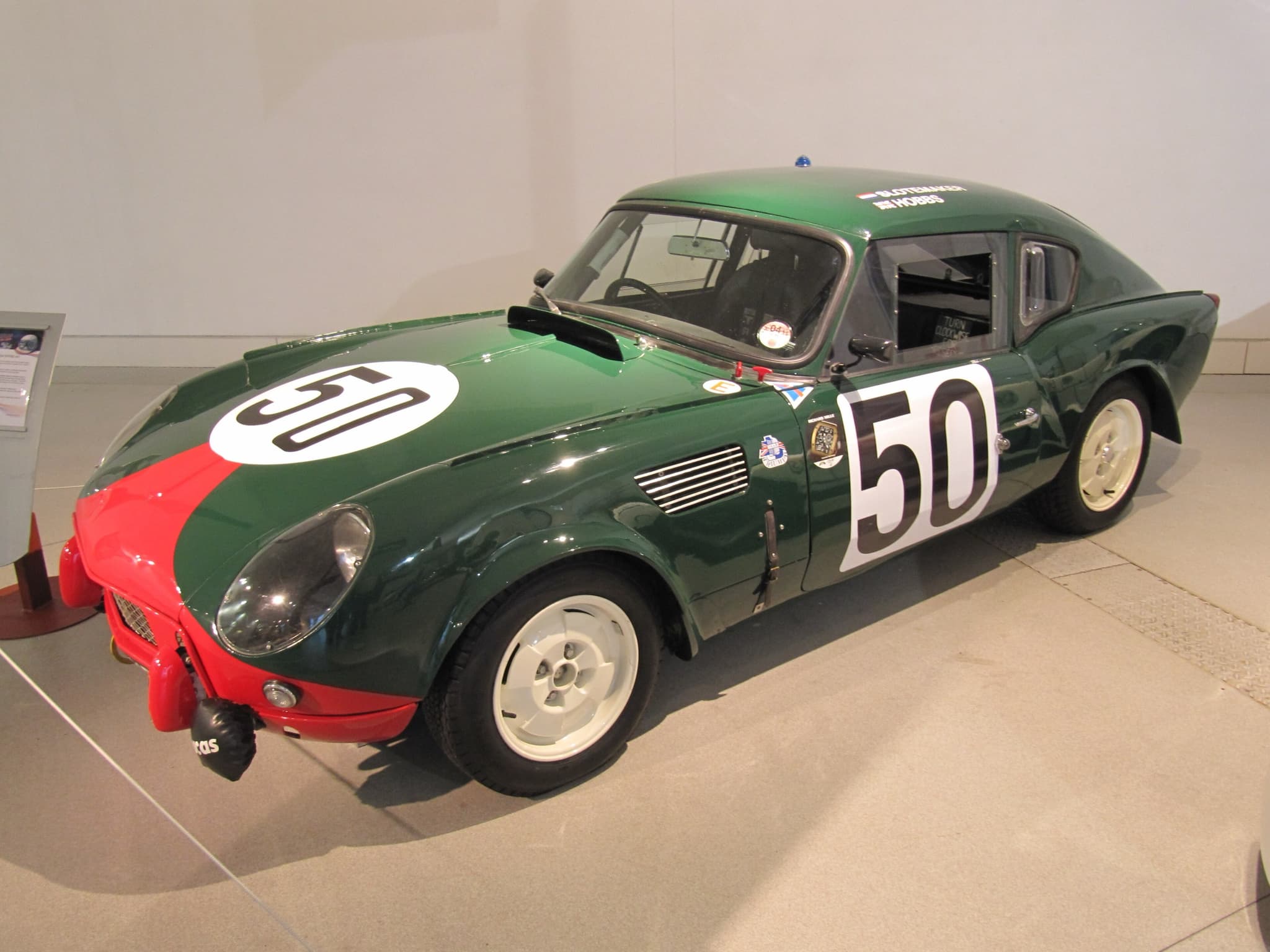
When the 1964 Le Mans 24 Hours ended on 21 June, one of Triumph's three works Spitfires was still running: No. 50, driven by David Hobbs and Rob Slotemaker, 21st overall after 272 laps and the only Spitfire to finish. The car was ADU 2B.
It raced for two more seasons, at Sebring, at Le Mans again and for Bill Bradley at the Nürburgring, and then gave up its parts to keep another car racing. In the 1980s its registration was put on a different car.source 1source 2
Built for Le Mans
Sources for ADU 2B
Canley Classics, "Spitfire ADU 2B Le Mans"source 2; Canley Classics, "Spitfire ADU 4B Le Mans"source 3; Canley Classics, "Spitfire ADU ~B Le Mans"source 4
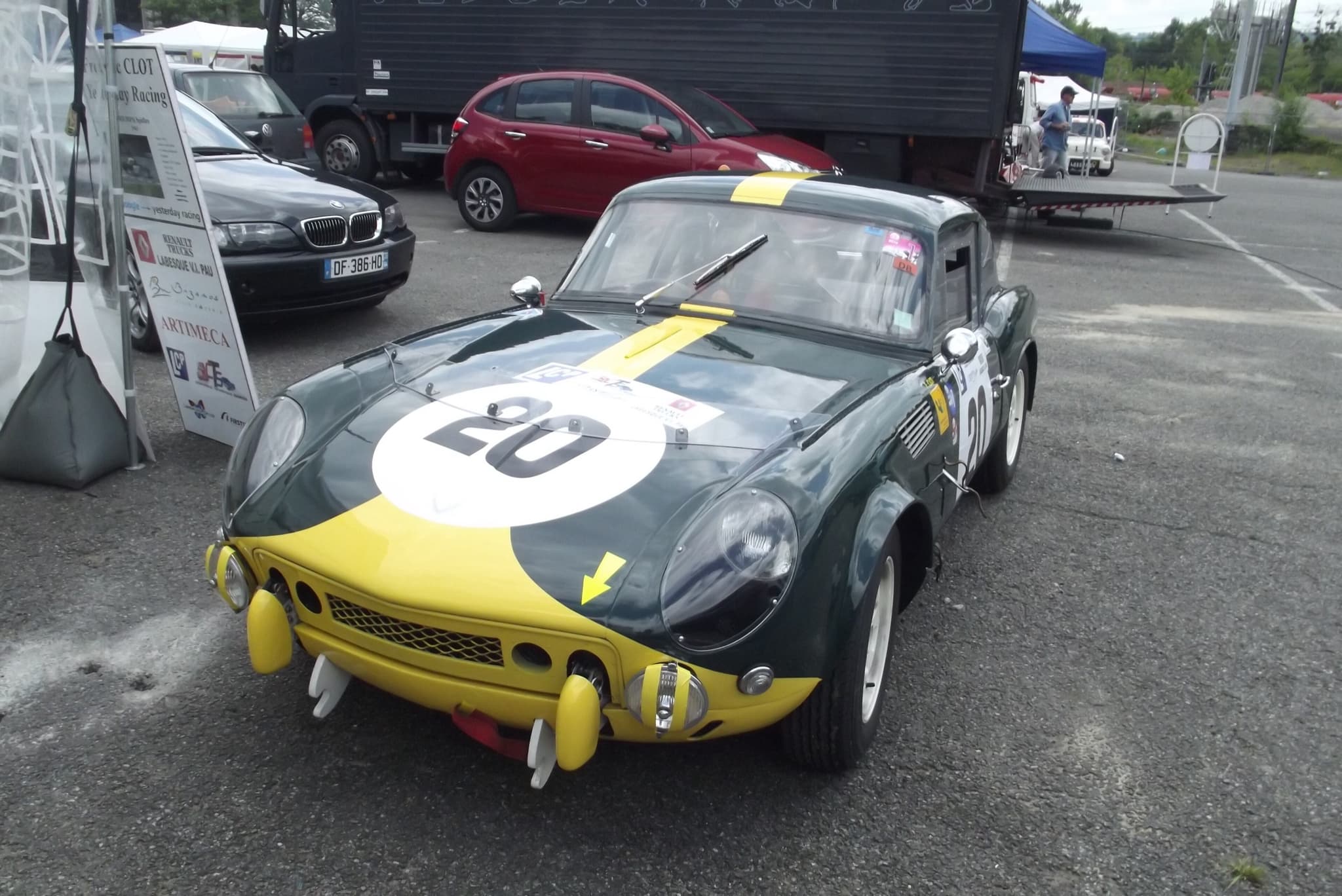
ADU 2B was one of the four Le Mans cars built in Triumph's experimental department at Canley in 1964, registered on 1 June that year with the commission number X731 and the engine number X934E. The prototype department's build sheets call it "Le Mans No4". Like the others it had an aluminium bulkhead, floors and sills (rocker panels), with glass-fibre panels riveted to them, on a lightweight chassis.
ADU 2B and ERW 412C, the car the factory built for Bradley in 1965, shared a red nose and a stripe over the bonnet (hood) and roof: the only time, Canley Classics says, that this identifying livery was shared by two cars.source 2source 4source 5
Le Mans and Sebring, 1964–65
In the 1964 race ADU 2B ran in the class for prototypes from 1 litre to 3 litres. A Porsche 904 and two Alpines finished ahead of it there, so it was 4th of those prototypes, as racingsportscars groups them. Whether it won a class is a story of its own, told on the racing page.
On 27 March 1965 it was one of three ex-Le Mans cars that Standard Triumph Inc., the American company, entered in the Sebring 12 Hours, prepared under Kas Kastner. As No. 66, Bob Tullius and Charlie Gates drove it to 30th overall and 3rd in the GT class for cars up to 1,300 cc, one lap behind its team-mate ADU 4B; a works MG Midget won the class.
In June it went back to Le Mans as No. 53, for Peter Bolton and Bill Bradley, and lasted 6 laps. racingsportscars records engine failure; Canley Classics names a split oil cooler.source 1source 6source 7source 8source 2
Bradley's car, 1966
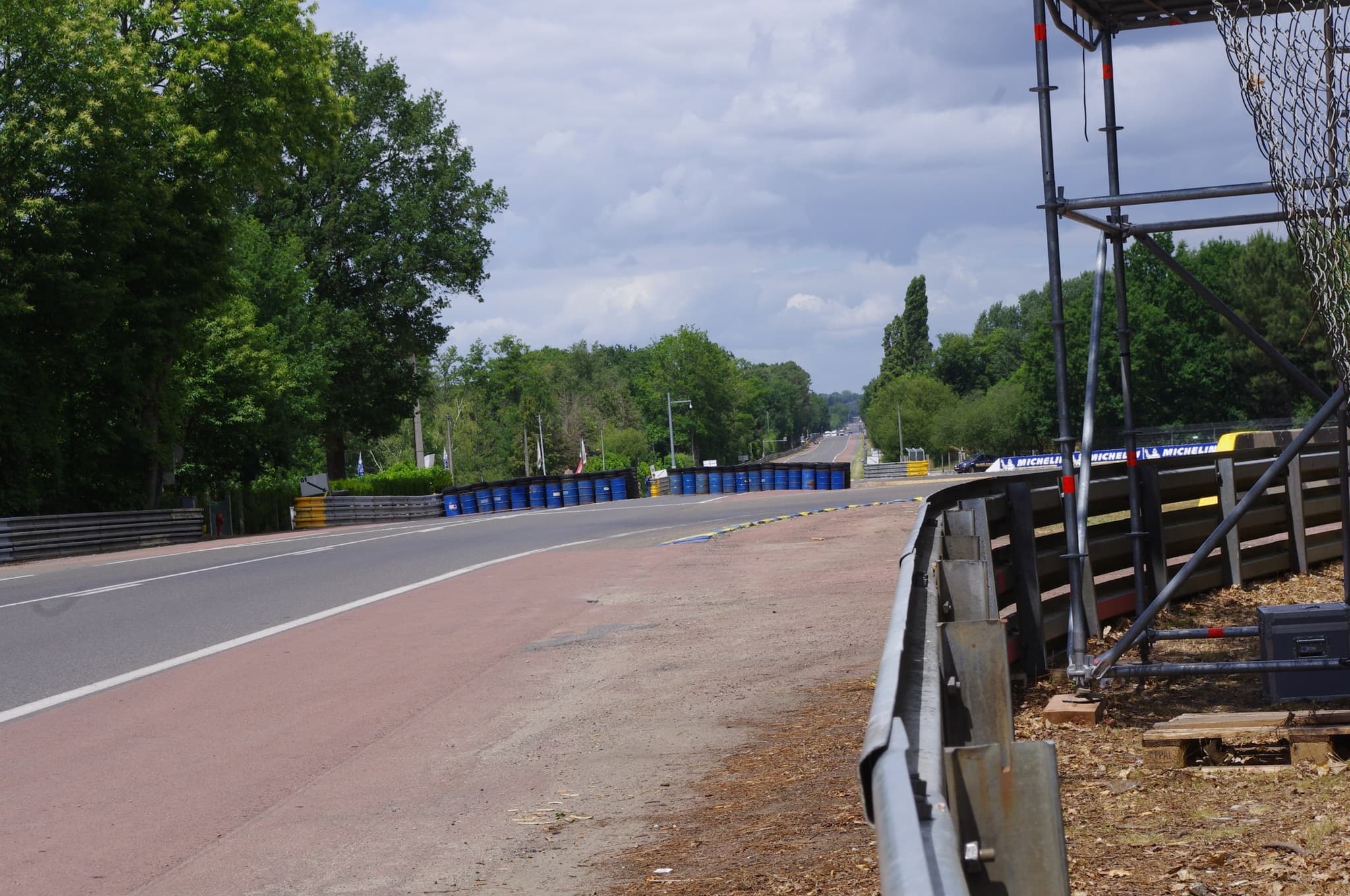
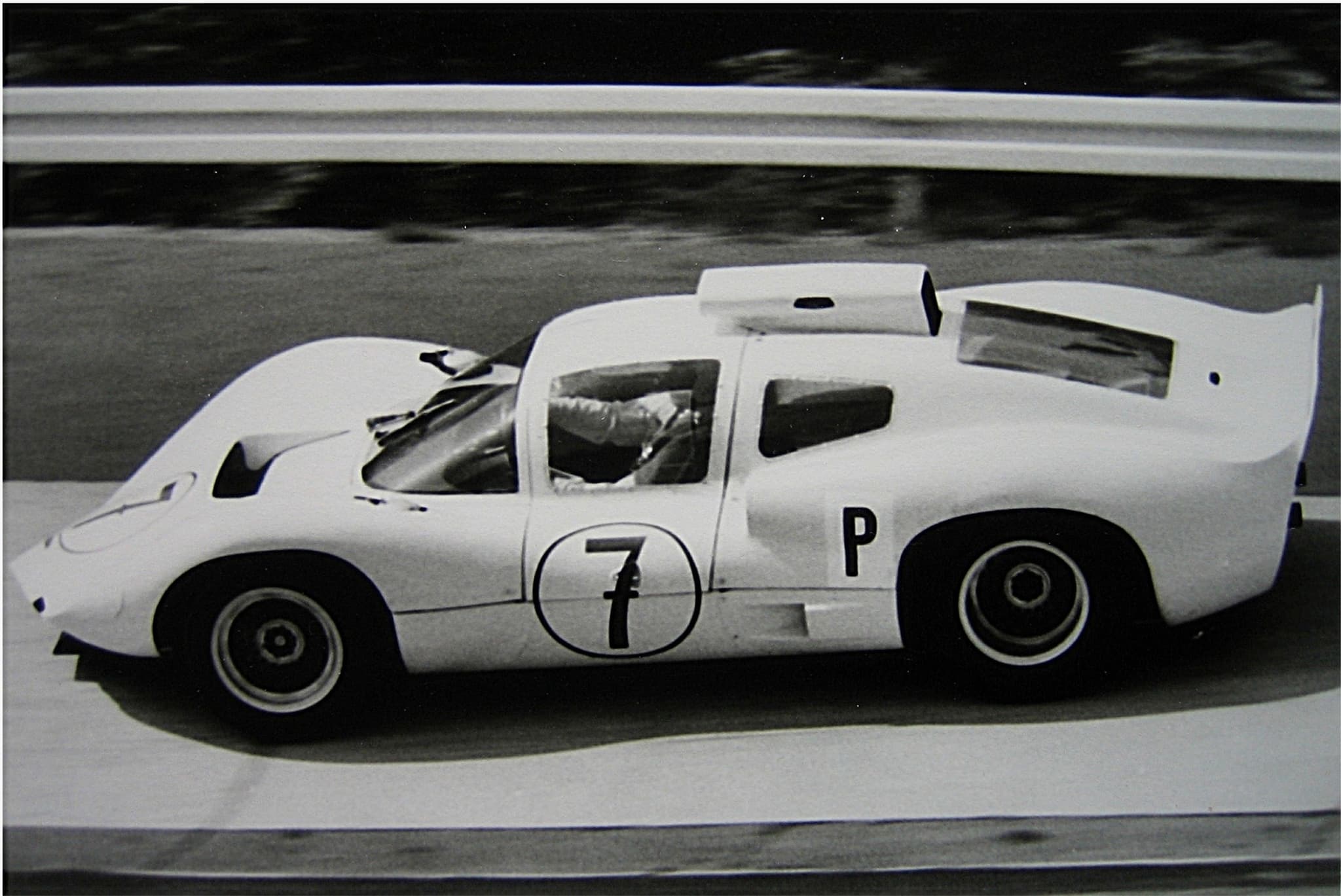
For 1966 the factory rebuilt it with strut-type rear suspension and lent it to Bradley, who had raced a factory-built Spitfire as a privateer since 1965. On 5 June 1966 it ran in the Nürburgring 1000 km as No. 39, for Bradley and Steve Neal. In Bradley's account, as Canley Classics gives it, the Spitfire was leading its class when the Chaparral of Phil Hill and Jo Bonnier, leading the race, clipped Neal, and the car crashed after 22 laps. The Chaparral went on to win.
The car went back to Warwickshire and was partly taken apart, and its parts kept Bradley racing in the car rebuilt around ADU 1B from that August. Canley's own articles describe that car both ways: its history of ADU 1B says it was built mainly on ADU 1B, while its article on the GT6R project says ADU 1B's remains went to rebuild Bradley's 1966 car, which it calls ADU 2B. Canley also warns that by 1966 the cars' identities were being swapped.source 2source 9source 10source 11source 4source 5
The other ADU 2B
Substantial parts of the works car survive in Warwickshire with Bradley's other works parts, and Canley Classics says a rebuild is possible; with the remains of ADU 1B and ERW 412C, it says, there is enough for one complete, authentic car. No complete ADU 2B exists. The registration, meanwhile, went elsewhere:
The registration ADU 2B 'appeared' in the 1980's (along with many other 'works' registrations) on a car that has no connection with the real ADU 2B.
Canley adds that the current "ADU 2B" incorporates no genuine works parts. A car presented as the works car should carry the commission number X731 and a riveted aluminium bulkhead.
The registration of the car that finished Le Mans in 1964 is on another car; what is left of the car itself waits in Warwickshire.source 2source 3source 4source 12
Where it has been
- 1964
Registered ADU 2B
1 June 1964. One of the four 1964 Le Mans cars built in Triumph's experimental department at Canley, "Le Mans No4" on its build sheets: aluminium bulkhead, floors and sills and glass-fibre panels riveted together, on a lightweight chassis
Canley Classics, "Spitfire ADU 2B Le Mans"source 2; Canley Classics, "Spitfire ADU ~B Le Mans"source 4
- 1966
Rebuilt with strut-type rear suspension and loaned to Bill Bradley
Raced by Bradley until June 1966; after its Nürburgring crash it went back to Warwickshire and was partly dismantled, its parts going into Bradley's car built around ADU 1B. Substantial parts survive in Warwickshire; no complete car exists. In the 1980s the registration appeared on a car that "incorporates no genuine works parts" (Canley)
Canley Classics, "Spitfire ADU 2B Le Mans"source 2; Canley Classics, "Spitfire ADU 4B Le Mans"source 3
Results
- 1964
- 1965
- 1965
Le Mans 24 Hours 1965
19 June 1965, Le Mans, France. No. 53, Peter Bolton and Bill Bradley: retired: engine (Canley Classics: a split oil cooler)source 8source 2
- 1966
Nürburgring 1000 km 1966
5 June 1966, Nürburgring, Germany. No. 39, Bill Bradley and Steve Neal: retired: accidentsource 9source 2
Sources
Sources are given as plain text; their addresses are on the sources page.
- Referenceserious later work: clubs, specialists, magazines, books
- Databaseresults and listings, entry by entry
- racingsportscars.com, Le Mans 24 Hours 1964, results, results, 21st; DNF table; results, 13th–21st; results table, 21st. Database
- Canley Classics, "Spitfire ADU 2B Le Mans", para. 1. Reference
- Canley Classics, "Spitfire ADU 4B Le Mans", "Our Museum". Reference
- Canley Classics, "Spitfire ADU ~B Le Mans". Reference
- Canley Classics, "ERW 412C", para. 2. Reference
- racingsportscars.com, Sebring 12 Hours 1965, results, results, 29th and 30th; results. Database
- Moss Motoring, "Kas Kastner – The legend and the legacy", 30 Nov 2011. Reference
- racingsportscars.com, Le Mans 24 Hours 1965, results, DNF table. Database
- racingsportscars.com, Nürburgring 1000 km 1966, results, DNF table; results, 1st; DNF table. Database
- Canley Classics, "Spitfire ADU 1B Le Mans". Reference
- Canley Classics, "GT6R Proposed 1966 Le Mans Project". Reference
- New Zealand Classic Car, "Getting the facts straight: Spitfires at Le Mans", 4 Nov 2015. Reference